

Can I put juice in a vacuum insulated water bottle?
Dec 10, 2025
Leave a message
When it comes to the question “Can I put juice in a vacuum insulated water bottle?”, it's a query that many consumers have, and as a supplier of high - quality vacuum insulated water bottles, I'm here to provide a comprehensive answer.
The Basics of Vacuum Insulated Water Bottles
First, let's understand how vacuum insulated water bottles work. These bottles are designed with a double - walled structure, where the space between the two walls is evacuated to create a vacuum. This vacuum acts as an excellent insulator, significantly reducing heat transfer through conduction, convection, and radiation. As a result, they can keep hot liquids hot and cold liquids cold for extended periods.
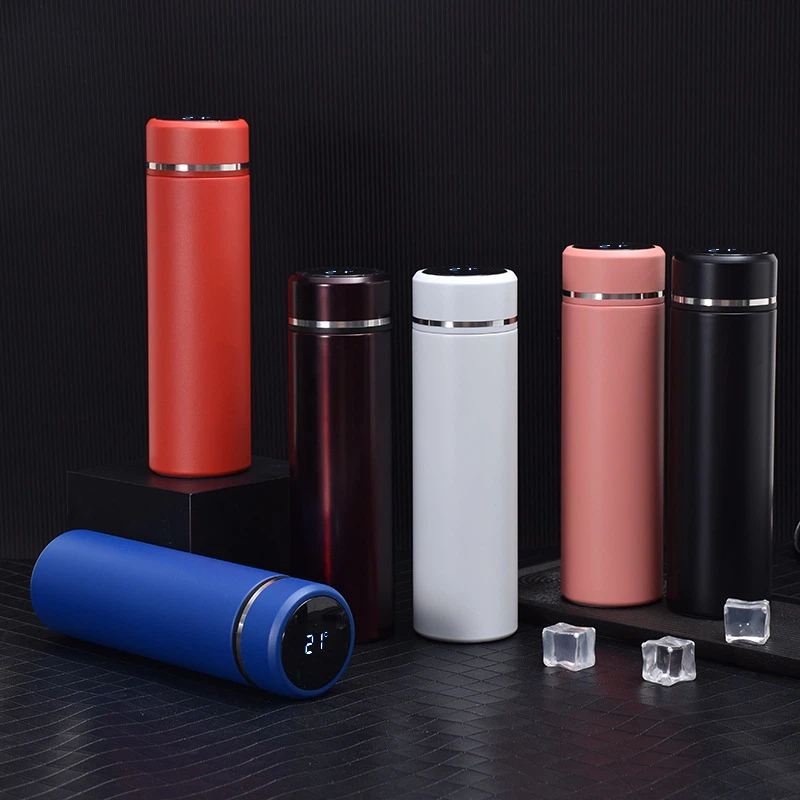
Our company offers a wide range of vacuum insulated water bottles, such as the Thermos Flask 1000ml, which is perfect for those who need to carry a large volume of liquid. The Smart Thermos 500ml is a great option for more personal use, and the Smart Cup Led Temperature Display Bottle provides the added convenience of showing the temperature of the liquid inside.
Compatibility of Juice with Vacuum Insulated Water Bottles
Now, let's get back to the main question: Can you put juice in a vacuum insulated water bottle? The answer is generally yes, but there are some important factors to consider.
Chemical Composition of Juice
Juices, especially citrus - based ones, are acidic. Citric acid in lemon, orange, and grapefruit juices can potentially react with certain materials over time. Most of our vacuum insulated water bottles are made of high - grade stainless steel, which is highly resistant to corrosion. Stainless steel is an alloy that contains chromium, which forms a passive oxide layer on the surface. This layer protects the steel from further oxidation and corrosion, even when in contact with acidic substances like juice.
However, if the juice has a high sugar content, it can attract bacteria. When left in a warm environment for too long, the bacteria can multiply rapidly, leading to spoilage and an unpleasant smell. Since vacuum insulated water bottles are so good at maintaining temperature, the warm juice inside can become a breeding ground for bacteria if not consumed in a timely manner.
Impact on Taste
Another aspect to think about is the impact on the taste of the juice. Over time, the juice may absorb some of the metallic taste from the bottle, especially if the bottle is new. To minimize this, it's a good idea to wash the bottle thoroughly before the first use and then rinse it with a bit of juice to "season" the interior. Also, different types of stainless steel can have slightly different effects on taste. Our bottles are made from food - grade stainless steel, which is designed to have minimal impact on the flavor of the liquid inside.
Cleaning Challenges
Juice can leave behind sticky residues, which can be more difficult to clean compared to plain water. The narrow neck of some vacuum insulated water bottles can make it challenging to reach all the areas inside. To clean the bottle effectively after using it for juice, it's recommended to use a bottle brush. You can also create a cleaning solution by mixing warm water with a small amount of mild dish soap. Let the solution sit in the bottle for a few minutes, then scrub the interior thoroughly. Rinse the bottle several times to ensure that no soap residue remains.
Best Practices for Putting Juice in a Vacuum Insulated Water Bottle
If you decide to put juice in your vacuum insulated water bottle, here are some best practices to follow:
Choose the Right Juice
Opt for freshly squeezed or high - quality packaged juices. Avoid juices with artificial flavors, colors, and excessive amounts of preservatives, as these can potentially react with the bottle material or cause a more unpleasant odor when spoiled.
Keep it Cool
Try to keep the juice cold before pouring it into the bottle. This will not only help to keep the juice fresh for longer but also reduce the risk of bacteria growth. You can add ice cubes to the juice if possible.
Consume in a Timely Manner
Don't leave the juice in the bottle for an extended period. It's best to consume the juice within a few hours, especially if the ambient temperature is warm.
Regular Cleaning
Clean the bottle after each use. As mentioned earlier, use a mild dish soap and a bottle brush to clean the interior thoroughly. Let the bottle air - dry completely before storing it.
Advantages of Using Vacuum Insulated Water Bottles for Juice
Despite the considerations above, there are several advantages to using vacuum insulated water bottles for juice.
Temperature Retention
One of the biggest benefits is the ability to keep the juice at a desired temperature. Whether you like your juice cold on a hot summer day or warm on a cold winter morning, a vacuum insulated water bottle can maintain the temperature for hours. This means you can enjoy your juice at the perfect temperature, no matter where you are.
Portability
Vacuum insulated water bottles are designed to be portable. You can easily carry them in your backpack, handbag, or car cup holder. This makes it convenient to take your favorite juice with you to work, school, the gym, or on outdoor adventures.

Durability
Our vacuum insulated water bottles are built to last. They are made from high - quality materials that can withstand daily wear and tear. You don't have to worry about the bottle breaking easily, which is a common problem with glass or plastic containers.
Conclusion
In conclusion, you can put juice in a vacuum insulated water bottle, but you need to be aware of the potential issues related to chemical reactions, taste, and cleaning. By following the best practices mentioned above, you can enjoy the benefits of using a vacuum insulated water bottle for your juice.
If you're interested in purchasing our high - quality vacuum insulated water bottles, we welcome you to contact us for procurement and further discussions. We're committed to providing the best products and services to meet your needs.
References
- "Stainless Steel Corrosion Resistance in Acidic Environments", Journal of Materials Science
- "Bacterial Growth in Fruit Juices: Factors and Prevention", Food Microbiology Journal
- "Impact of Container Material on Liquid Taste", Sensory Science Research