
Are bamboo insulated water bottles safe to use?
Oct 21, 2025
Leave a message
Hey there! As a supplier of Bamboo Insulated Water Bottles, I often get asked about the safety of these eco - friendly hydration companions. So, let's dive right in and explore whether bamboo insulated water bottles are safe to use.
The Basics of Bamboo Insulated Water Bottles
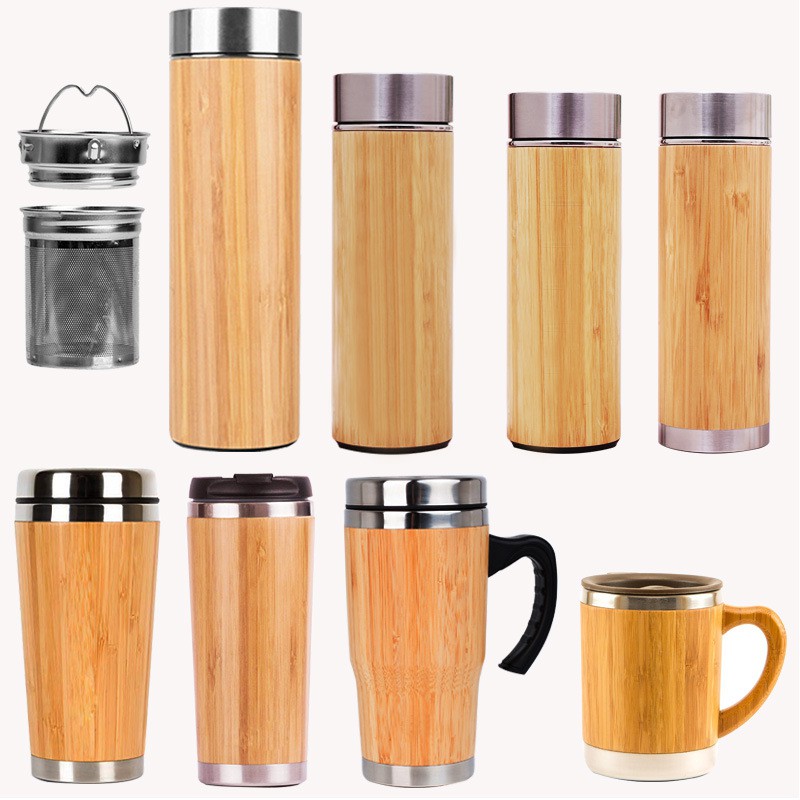
First off, let's understand what these bottles are made of. A typical bamboo insulated water bottle usually consists of a stainless - steel inner liner and a bamboo outer layer. The stainless - steel liner is great because it's non - reactive, which means it won't leach any harmful chemicals into your drink. Stainless steel is also incredibly durable and resistant to corrosion.
The bamboo outer layer isn't just for show. It gives the bottle a natural, rustic look and feel. Bamboo is a renewable resource, growing much faster than traditional hardwoods. It's also biodegradable, making these bottles a more sustainable choice compared to plastic ones.
Safety of the Stainless - Steel Liner
Let's talk about the stainless - steel part. Most high - quality bamboo insulated water bottles use food - grade stainless steel. This type of steel is specifically designed to come into contact with food and beverages. It's free from harmful substances like lead, cadmium, and BPA (Bisphenol A).
BPA is a big deal. It's a chemical that was commonly used in plastic products, and studies have linked it to various health problems, including hormonal imbalances, reproductive issues, and even certain types of cancer. Since stainless - steel liners in bamboo insulated water bottles are BPA - free, you don't have to worry about that kind of contamination.
Another advantage of stainless steel is its resistance to bacteria growth. Unlike some plastics that can harbor bacteria in tiny scratches or pores, stainless steel has a smooth surface that's easy to clean. You can simply wash it with soap and water, or if you're in a hurry, just give it a quick rinse.
Safety of the Bamboo Outer Layer
Now, onto the bamboo. Bamboo is a natural material, but you might be wondering if it's safe to have it in contact with your drink bottle. Well, in most cases, it is.
When the bamboo is used for the outer layer of the bottle, it's usually treated to make it more durable and resistant to moisture. However, these treatments are typically non - toxic. Reputable manufacturers use natural oils or food - grade finishes to protect the bamboo. These finishes create a barrier that prevents water from seeping into the bamboo and causing it to rot.
As long as the bamboo is properly treated and maintained, there's no risk of it releasing any harmful substances into your drink. You just need to make sure not to expose the bottle to excessive moisture for long periods. For example, don't leave it sitting in a puddle of water or let it soak for too long when you're cleaning it.
Potential Risks and How to Avoid Them
Of course, no product is completely without risks, but they're usually pretty easy to avoid.
One potential risk is the glue used to attach the bamboo to the stainless - steel liner. Some low - quality bottles might use cheap, toxic glues. But if you're buying from a reliable supplier, they'll use food - grade or non - toxic glues. When you're shopping for a bamboo insulated water bottle, look for products that have been tested and certified to meet safety standards.
Another thing to watch out for is physical damage. If the bamboo outer layer gets cracked or chipped, it could potentially harbor bacteria or start to break down. In that case, it's best to stop using the bottle and replace it. Regularly inspect your bottle for any signs of damage, and if you notice something, take action right away.
Comparing with Other Types of Water Bottles
Let's see how bamboo insulated water bottles stack up against other popular types of water bottles.
Plastic Bottles: As I mentioned earlier, many plastic bottles contain BPA or other harmful chemicals. Even BPA - free plastics can break down over time and release other potentially harmful substances. Plastic is also not very durable and can easily scratch, which makes it a breeding ground for bacteria. In contrast, bamboo insulated water bottles are BPA - free, more durable, and less likely to harbor bacteria.

Glass Bottles: Glass is a safe material, but it's also very fragile. It can easily break if dropped, which can be dangerous. Bamboo insulated water bottles are much more portable and less likely to break, making them a better choice for on - the - go use.
Our Product Range
We offer a variety of bamboo - related water bottles, including Bamboo Steel Tumblers and Stainless Steel Bottles with Bamboo Lids. Our products are made with high - quality materials and go through strict quality control processes to ensure they're safe for use.
Conclusion
In conclusion, bamboo insulated water bottles are generally safe to use. The stainless - steel liner is food - grade and BPA - free, and the bamboo outer layer is treated with non - toxic finishes. As long as you buy from a reputable supplier, take proper care of the bottle, and watch out for any signs of damage, you can enjoy the benefits of these eco - friendly and stylish water bottles.
If you're interested in purchasing our bamboo insulated water bottles for your store or personal use, we'd love to have a chat with you. Contact us to start a procurement discussion, and let's work together to make your hydration needs both safe and sustainable.
References
- "Stainless Steel in Food Contact Applications" - American Iron and Steel Institute
- "The Environmental Impact of Bamboo" - Journal of Sustainable Forestry
- "Health Risks Associated with BPA" - Centers for Disease Control and Prevention